

If you have never built a website, the phrase “how to set up an affiliate website” probably sounds like a job for someone younger or more technical. Most of what makes it sound hard is the vocabulary: hosting, domains, plugins, themes. Once a platform handles those parts, the work that remains is choosing a subject and writing about it clearly.

This guide walks through the whole process in order, from picking a topic to publishing your first post, using Wealthy Affiliate as the place where the site gets built.
Quick answer
To set up your first affiliate website, choose a topic you can keep writing about, use Wealthy Affiliate to build the site, and publish helpful posts that answer real questions. You can start small and learn as you go.
What a first affiliate website actually is
An affiliate website is a collection of pages, mostly text and pictures, that helps people with a subject. Where it makes sense, you recommend a product or service. If a reader buys through your personal link, the company pays you a commission. The reader pays the same price either way.
That is the whole model. You do not hold stock, ship parcels, or handle payments. You are not building an app or a shop. A page on your site looks much like a page in a well-made magazine or a printed guide, and you write it the way you would write a long letter to a friend.
The site also does not have to be large to be real. A first site might have a home page, an “about” page, and a handful of articles. It grows one article at a time, and nobody checks how fast.
If you want to compare affiliate marketing with other ways of earning online before you commit, the side-by-side comparison for retirees sets the options next to each other.
Start with a topic you already know
Most setup guides tell you to research markets, analyse competitors, and hunt for a profitable gap. You can skip all of that for a first site. Choose a subject you already know something about, because you will need to write about it many times.
A quick test: could you list twenty questions a beginner might ask about this subject, and answer most of them without looking anything up? If so, you have enough material to start. Gardening, woodworking, genealogy, travelling on a budget, fishing, cooking for one, caring for an older dog, and learning a musical instrument all pass easily. These are examples, not a list to pick from. Your own subject is probably better.

Two more questions help narrow the choice:
- Do people buy things related to it? Hobbies and practical interests usually come with equipment, courses, books, or services that someone might recommend.
- Would you still enjoy it in a year? You will be writing about it repeatedly, so choose something you will not tire of.
If nothing comes to mind right away, that is common after a career spent doing one thing. The article on finding your passion after retirement has some ways to work out what you would enjoy writing about.
Be specific rather than broad. “Gardening” is a huge field. “Growing vegetables in raised beds for small yards” is something you can write about with authority, and readers who share that interest will find it more useful.
What you need before you begin, and what you can safely ignore
The list of requirements is short:
- A computer or tablet with an internet connection. A laptop is the most comfortable for typing longer pieces.
- An email address you check regularly.
- A topic, even if you are not completely sure about it yet. You can adjust it after a few posts.
- An hour or two at a time, a few times a week. Short, regular sessions work better than occasional marathons.
Just as important is what you can leave alone. You do not need to learn code or understand how websites work behind the scenes. You do not need a logo, a design background, or expensive software. You do not need to be active on social media before you start. And you can put off the technical vocabulary around search engines until you have several posts published. The basics come across naturally when you write clearly about one question at a time.
If your worry is mainly about technology, the piece on starting an online business with no computer skills goes into it in more depth. For the money side, the guide to what it costs to start an online business on a retirement budget covers it.
Building the site inside Wealthy Affiliate
Building a website from scratch on your own usually means buying hosting, connecting a web address, installing the software that runs the site, setting up security, and then working out how to publish. Each step has its own screens and its own jargon. Inside Wealthy Affiliate, those parts are handled by the platform, so the work you do yourself is much smaller.
In practice, the process looks like this:

- Join and open your Hub. Your Hub is your workspace inside Wealthy Affiliate, where your site, your plan, and your work live together.
- Tell the platform what your site is about. You describe your topic and choose a name for the site. Think of the name as a title on a shop sign: short, easy to say, easy to spell.
- Let the platform set up the site. The hosting, which is the computer where your site lives so people can visit it, and the setup of the site software are taken care of for you. You are not asked to install or configure anything.
- Open the editor. Writing a post feels much like using a word processor. You type, add a heading, insert a picture, and press publish.
The exact screens change as the platform is updated, so follow the on-screen prompts and the training alongside them rather than a screenshot from an old guide. If a button has moved, the instructions inside the platform will point to it.
What you will not do is manage servers, fix software errors, or work out how to keep the site secure. The real work is the same as it would be for any publication: deciding what to say and saying it well.
Writing your first post in your own words
The first post is where most beginners hesitate. It helps to make the task smaller. You are not writing something brilliant. You are answering one question a real person might type into a search box.
Pick a question from the list of twenty you made earlier. Then follow a simple shape:
- A short opening. Say what the question is and what the reader will know by the end.
- Three to five sections. Give each one a plain heading and answer one part of the question.
- Specific detail. Name the tool, the method, or the step. Specific advice is more useful than general encouragement.
- A recommendation, only where it fits. If a product or service really helps with the question, say what it does well and who it suits. Mention any drawbacks too. Readers trust a recommendation that admits limits.
Write the way you would explain it across a kitchen table. Long, formal sentences are not a sign of quality. Read the post aloud once before you publish. Anything that makes you stumble will make a reader stumble too.

If starting from a blank page feels like the hard part, the Writer inside Wealthy Affiliate can produce a draft from a brief. You then edit it until it sounds like you, correct anything you know to be wrong, and add what only you would know. A draft from the Writer is a starting point, and the finished post should carry your own judgement.
When the post is ready, publish it. The first one will not be your best, and it does not need to be. Posts can be edited at any time, and your second and tenth will come more easily than the first.
What to expect in the first few months
New websites take time to be found. Search engines need to discover your pages, and a site with only a few articles has little history behind it. In the early months, it is normal for very few people to visit, and for some weeks to bring nobody at all. That does not mean something has gone wrong.
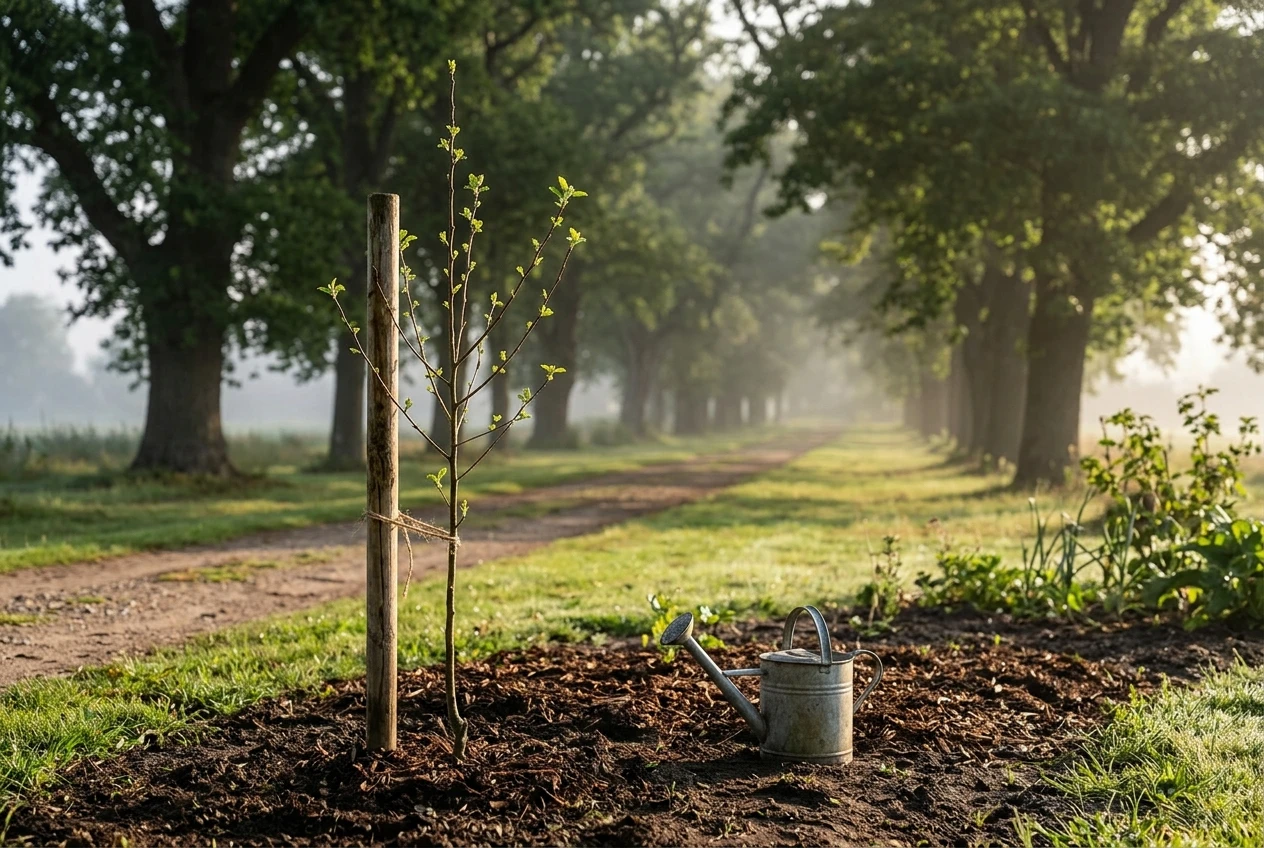
What tends to matter most is steady, useful publishing. Each article you add is another page that can answer someone’s question. Over time, a site with many helpful pages on one subject is easier to find than a site with a few.
It is worth being clear about what is not promised. No one can tell you how long it will take for visitors to arrive, or whether your site will earn commissions at all. Income depends on how much you publish, how useful it is, how well the subject suits your readers, and how much time you give it. Anyone who quotes you a figure for a first site is guessing.
For a retiree, the sensible way to measure the early months is by what you control: how many posts you have published, how much you have learned and whether you are enjoying the work. If you are, you are in a good position to keep going long enough to see results. If you want a broader look at whether starting now makes sense, the article on whether it is too late to start earning online after retirement answers that directly.
One more point about honesty with your readers: when you recommend something and earn a commission, say so on your site. It is the right thing to do, and readers tend to appreciate being told.
Where to go for help when you get stuck
Everyone gets stuck on something: a button that has moved, a post that will not format properly, a question about what to write next. Inside Wealthy Affiliate, there are a few places to turn:
- Learn. The training is there to follow at your own pace. When you want to understand a particular topic, Focus on it and work through the moves for it, whether that means asking, watching, or reading.
- Live. Live classes run inside Learn, and the recordings are kept, so if you miss one, you can watch it later.
- The community. Other members are working through the same early questions, and many are happy to answer a beginner’s question.
Do not wait until you feel ready before asking. Most beginner questions have been asked before, and the answers are usually quick. Asking early saves you from spending an afternoon stuck on something that takes two minutes to fix.
Frequently asked questions
Do I need coding skills to start an affiliate website?
No. In this guide, Wealthy Affiliate handles the hosting and basic site setup described in the article. You can focus on choosing a topic and writing helpful posts. Follow the platform’s current on-screen instructions, since its screens can change.
How long does it take to earn money from an affiliate website?
There is no reliable timeline or guaranteed income. A new site may get little traffic in its early months. Results depend on your topic, your content, your readers, and the time you put into the site.
What should my first affiliate website post be about?
Choose one question a beginner might ask about your topic. Start with a short introduction, then use three to five sections to explain the answer. Recommend a product only when it fits, and mention its limits.
How much time should I spend on my website?
Try working for an hour or two at a time, a few times a week. Short, regular sessions can be easier to maintain than occasional long work sessions.
Ready to see how simple it is?
Setting up a first affiliate website is a series of small, manageable jobs: choose a subject you know, let the platform handle the technical setup, write one helpful post, and publish it. The pace is yours to set.
If you’d like to see how simple the website builder really is, join Wealthy Affiliate through my link and start building your first site at your own pace, with the training and community right alongside you. When you join through my link, I earn a referral commission, which is how this site is supported, and it costs you nothing extra.